Crimson Desert Beginner's Guide — Everything You Need to Know to Start
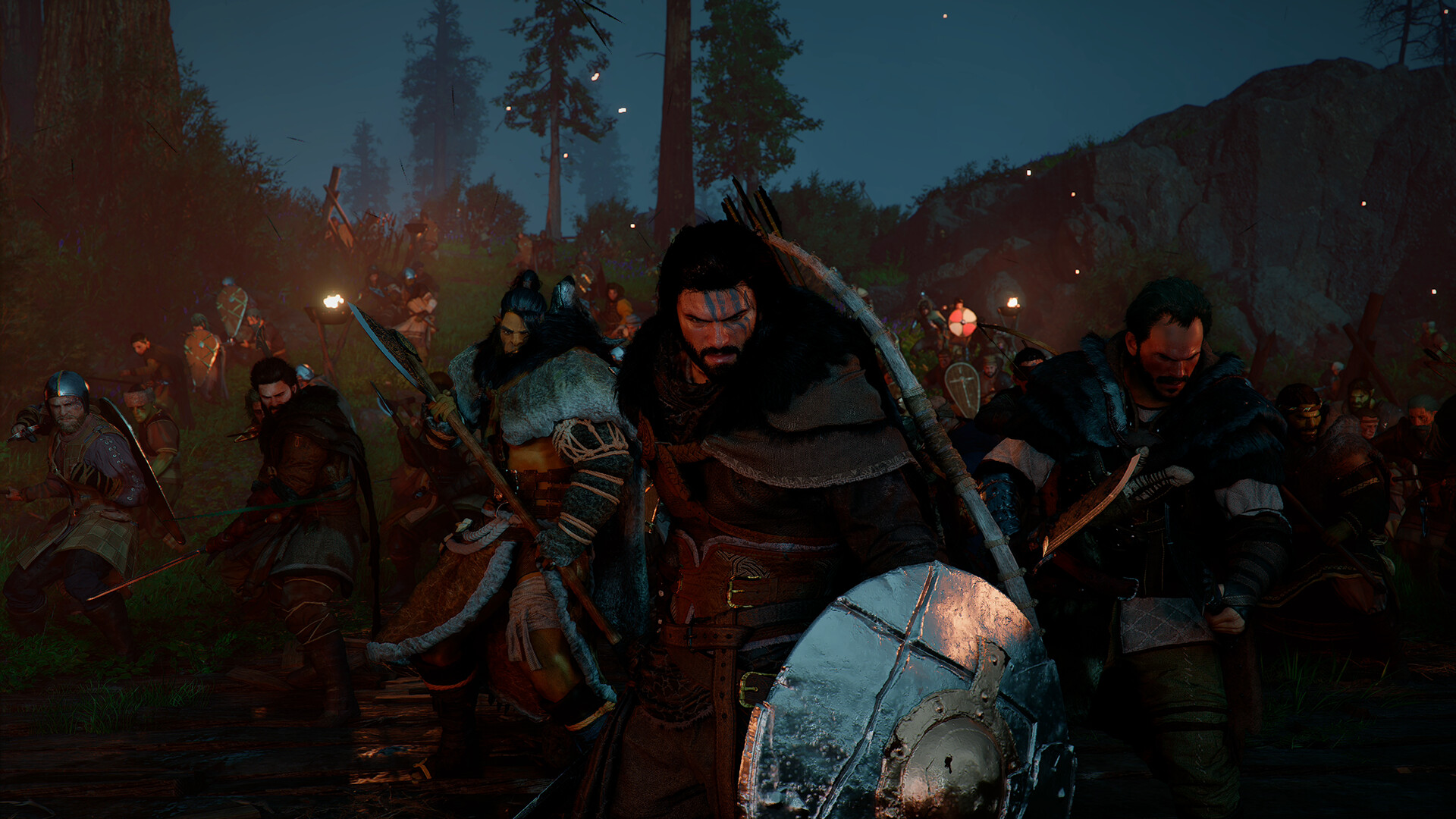
Crimson Desert Core Systems at a Glance
| System | What It Does |
|---|---|
| Combat | Real-time action with stagger, counters, and combo chains — skill-based melee system |
| Camp | Your persistent base: rest, craft, cook, store items, assign followers to tasks |
| Exploration | Open world with fog of war, discovery rewards, hidden areas, and region unlocks |
| Gathering | Collect ore, wood, herbs, and monster drops to fuel crafting and cooking |
| Skills | Macduff has active skills per weapon type and passive ability trees to upgrade |
| Life Skills | Secondary activities: fishing, hunting, trading — optional but rewarding progression |
| Boss Encounters | World bosses and dungeon bosses with phase mechanics and weak points |
| Followers | NPCs who join the Plum and can be assigned to camp tasks or accompany you |
Starting Out — The Prologue and First Hours
Crimson Desert opens with a prologue that introduces Macduff and the Plum mercenary group. Follow these story missions without trying to explore too broadly at first — the prologue is designed to teach you the core combat mechanics (basic attack combos, dodging, blocking, and stamina management) in a controlled environment. Don't skip the tutorial prompts; the stagger and counter systems are not immediately obvious and understanding them early will save you from struggling against tougher enemies later.
After the prologue, the game opens up into the first major region. Your first priority is establishing camp — you'll receive a prompt to set it up as part of the early main story quests. Camp is not just a convenience feature; it's the backbone of the entire progression system. Equipment upgrades, cooking for combat buffs, storing excess items, and assigning followers to resource production all happen at camp. Getting it set up and expanding it early is the single most impactful early-game investment.
Exploration is rewarded throughout the game with discovery XP, resource nodes, and region completion bonuses. However, don't wander too far from the main story path in the first few hours — some regions are designed for higher-gear characters and you'll face enemies that outmatch your early equipment. Stick to the main story until you have a solid camp foundation and upgraded gear, then begin freely exploring.
Combat Fundamentals — Stagger, Counters, and Combos
Combat in Crimson Desert is built around the stagger system. Every enemy has a posture bar that depletes as you land attacks. When the posture bar breaks, the enemy staggers or falls, opening them to heavy-hitting follow-up attacks and special executions. Learning to read enemy posture and timing your hardest-hitting abilities for the moment after stagger is the core combat rhythm.
Counters are timing-based responses to specific enemy attacks. When an enemy telegraphs a strike (visual cue — usually a glowing indicator), inputting the counter command at the right moment deflects the attack and staggers the enemy instantly, regardless of their posture bar. Mastering counters is essential for fighting bosses and elite enemies, where taking hits repeatedly is unsustainable.
Stamina is consumed by dodges, heavy attacks, and sustained defensive moves. Running out of stamina during a fight is dangerous — you'll be locked out of dodges and struggle to maintain pressure. Manage stamina by mixing light and heavy attacks, taking brief defensive pauses between burst combos, and cooking stamina-restoring food at camp before difficult encounters.
Early Game Priorities — First 5 Things To Do
- Complete the prologue story missions to unlock camp and learn core combat — don't rush ahead until you understand stagger and counters
- Establish your camp and build the initial structures (rest facility, basic crafting station, storage) as soon as the main quest makes it available
- Gather resources during travel between quest objectives — ore nodes, herb patches, and wood piles respawn regularly and your early camp upgrades require these materials
- Fight and defeat every monster group you encounter in the early story zones — enemy drops provide crafting materials and gear upgrade components
- Explore the local area around your first camp thoroughly before moving to the next main story zone — discovery rewards and hidden chests in starting areas contain early-game equipment upgrades
Camp — Your Most Important Asset
Camp in Crimson Desert functions as Macduff's mobile headquarters. As a mercenary captain, you set up camp in each region and can return to it at any time to rest (restoring HP and stamina), craft equipment, cook food for combat buffs, and manage your followers. The camp is not permanent — you'll establish it in different locations as the story progresses through different regions — but your upgrades and followers carry forward.
Prioritize building the kitchen and storage unit early. The kitchen lets you cook recipes that provide pre-combat buffs (attack power, defense, stamina capacity) that are active for a set duration. These buffs are strong enough to meaningfully impact fight difficulty — going into a boss encounter without food buffs is like fighting at 80% effectiveness. Storage expands how many materials you can carry, which directly limits how much crafting and cooking you can do between camp visits.
Followers assigned to camp tasks will gather resources passively while you're out adventuring. Set up follower assignments as early as possible — even a single follower gathering wood or herbs while you quest generates a steady trickle of crafting materials that adds up significantly over several hours of play.
Beginner Gear Progression Milestones
| Slot | Recommended pick | Why / notes |
|---|---|---|
| Starting gear | Default sword and light chest piece | Don't invest heavily in upgrading starter gear — you'll replace it quickly |
| First upgrade (hours 2-4) | Craft or loot a weapon from your first dungeon | First dungeon drops are a big step up from starting weapons |
| Early mid-game | Full set of armor crafted at camp from gathered materials | A complete armor set with bonuses is better than individual high-tier pieces |
| Skill unlocks | Prioritize the combo extender and stagger damage passive skills | More combos = more posture damage = faster stagger cycles |
| Camp kitchen | Stock attack buff and stamina food recipes | Use food before every major boss or dungeon encounter |
Frequently asked questions
Is Crimson Desert a single-player game or an MMO?
Crimson Desert is primarily a single-player open-world action RPG developed by Pearl Abyss. While Pearl Abyss also makes Black Desert Online (an MMORPG), Crimson Desert is a separate, story-driven single-player experience with Macduff as the protagonist. There are some online/multiplayer elements in the game, but the core experience is single-player.
How long is the main story in Crimson Desert?
The main story campaign takes approximately 20-30 hours to complete depending on how much side content you engage with. Doing all side quests, fully exploring each region, and maxing out camp upgrades can extend this to 50+ hours. The game is content-rich and rewards thorough exploration beyond the critical path.
Is the combat in Crimson Desert difficult?
Combat has a moderate skill ceiling. The stagger and counter systems reward pattern recognition and timing, but are forgiving enough that button-mashing can work against normal enemies. Boss encounters require learning specific telegraphs and using the counter system reliably. Cooking food buffs before difficult fights significantly lowers the skill requirement for all encounters.
Should I focus on one weapon type or try them all?
Start by exploring each weapon type in the early game to find which feels most natural for your playstyle. Sword is balanced and recommended for beginners. Hammer deals the most posture damage but is slow. Dual Blades are fast and combo-heavy. Once you find your preferred type, invest your skill points there rather than spreading thin across all trees.
Can I fast travel in Crimson Desert?
Yes — waypoints and stables in towns and discovered areas enable fast travel across the map. Your camp also functions as a return point. Riding a horse significantly speeds up traversal in regions you haven't discovered fast travel points in yet. Horses are available through the stable system, which is one of the recommended early camp/town investments.
Sources & verification
Continue this guide path
- ›Crimson Desert Combat System Explained — Stagger, Counters & CombosCrimson Desert's combat system is built around staggering enemies, landing precise counters, and chaining skill combos. This guide explains every core mechanic — posture damage, timing windows, stamina management, and skill slot usage — so you can fight efficiently from day one.
- ›Crimson Desert Crafting Guide — How to Make Weapons, Armor & ConsumablesCrafting in Crimson Desert is one of the most rewarding systems — making your own weapons and armor lets you control stats and upgrade paths. This guide covers every crafting station, how to gather materials, key recipes for weapons and armor, and how reinforcement upgrades work.
- ›Crimson Desert Resource Gathering Guide — Best Materials & Where to Find ThemResources are the lifeblood of Crimson Desert's crafting system. This guide identifies every major material type, where to find the best gathering nodes, how respawn timers work, the most efficient farming routes, and how to use auto-gather features to maximize collection.
- ›Crimson Desert Progression Guide — What to Do at Every StageNew to Crimson Desert and unsure where to go next? This progression guide covers every major milestone from early-game setup through mid-game gear and late-game world content.