Crimson Desert Weapon Types Compared — Sword, Hammer, Dual Blades & More
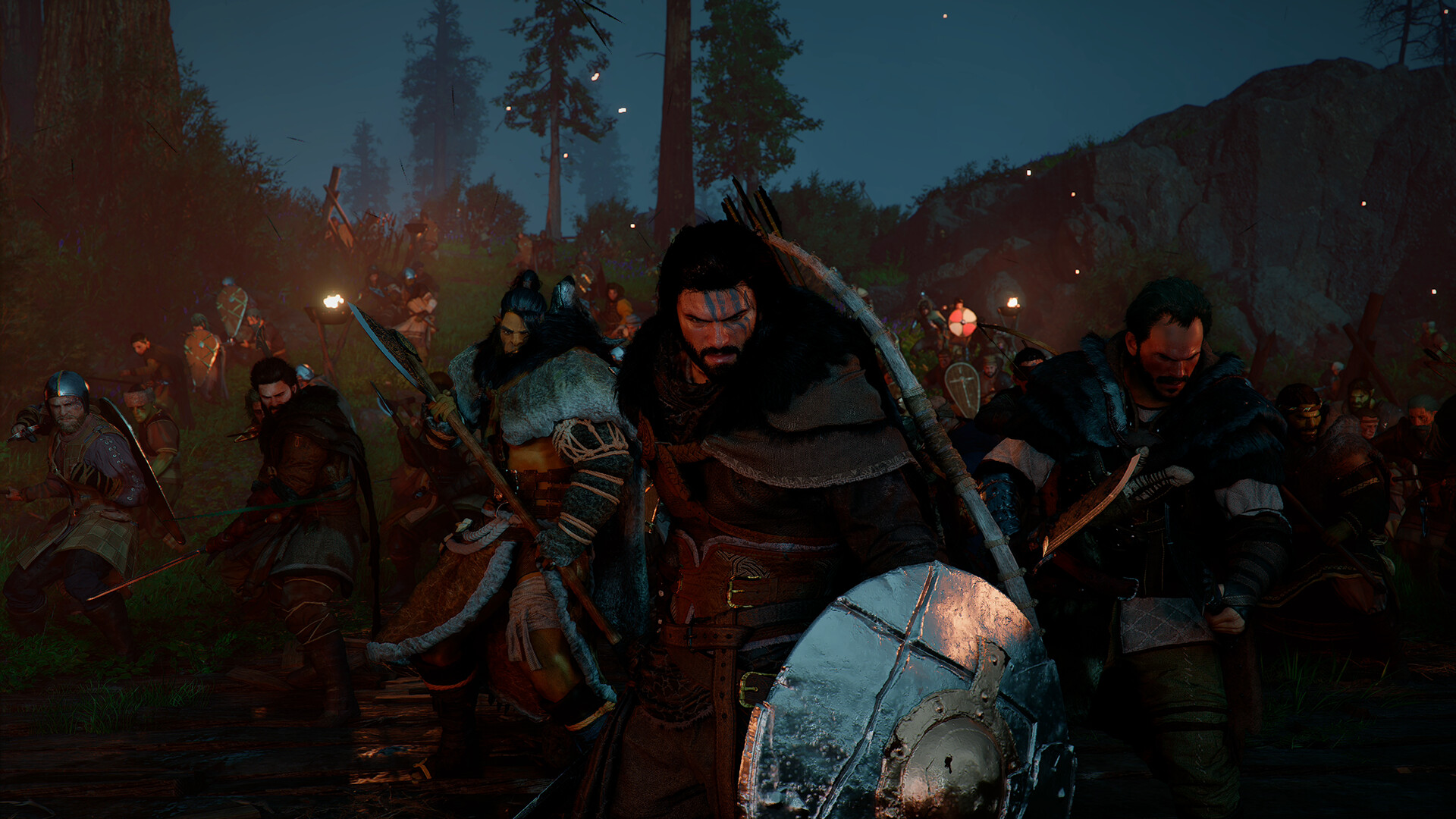
Weapon Type Stats Comparison
| Weapon | Posture Damage | Attack Speed | Mobility | Counter Window | AoE Capability | Difficulty |
|---|---|---|---|---|---|---|
| Sword | Medium | Fast | High | Easy | Good | Beginner |
| Hammer | Very High | Slow | Low | Medium | Poor (low-count attacks) | Intermediate |
| Dual Blades | Low/hit, High/chain | Very Fast | Very High | Hard (fast animations) | Medium | Intermediate |
| Shield | Medium (counter-based) | Medium | Medium | Very Easy (block-into-counter) | Poor (risk-based) | Advanced |
Sword — The Balanced Workhorse
Sword is the most versatile weapon in Crimson Desert's arsenal. Its attack speed is fast enough to maintain pressure on mobile enemies, its posture damage is sufficient for reasonable stagger frequency without the all-in commitment of the Hammer, and its skill list covers every combat scenario you'll encounter. For players who want a weapon that performs reliably from the first hour of the game through the final boss, Sword consistently delivers.
The Sword's counter window is the most forgiving of all weapon types — the timing for deflecting telegraphed enemy attacks is slightly wider, making the counter mechanic more accessible for players still learning it. This accessibility matters greatly in the early and mid game when you're encountering new enemy types regularly and don't have their attack patterns memorized. A Sword counter, while not dealing the devastating follow-up of a Shield counter, still provides a reliable stagger and substantial damage bonus.
Where Sword falls behind the alternatives is in extreme scenarios: it's not as explosive as Hammer for burst boss damage, not as fast as Dual Blades for sustained DPS chains, and not as defensively impenetrable as Shield for players who prioritize safety. But across the full breadth of Crimson Desert's content — group encounters, boss fights, exploration combat, life skill protection — Sword is always the appropriate tool.
Hammer — The Posture Specialist
Hammer is the boss-killing weapon par excellence. Each hammer heavy attack deals 2-3x the posture damage of equivalent sword attacks, and hammer skills have posture damage multipliers that make stagger cycling dramatically faster. Against boss enemies with large posture bars — which would take 20-30 sword attacks to break — a Hammer player can achieve the same stagger in 8-10 targeted strikes. This compressed stagger frequency dramatically reduces the total time to defeat a boss and minimizes the number of attack windows you need to survive.
The hammer's weakness is its attack speed. Heavy attacks have animation times 2-3x longer than sword attacks, leaving significant vulnerability windows during the swing. Against fast enemies, bosses with quick retaliation patterns, or group encounters where multiple enemies can attack during your animation, Hammer players must be very precise about when they commit to swings. The Hammer is most effective when you're in complete control of the combat flow — land a counter, stagger, commit to skills during the safe window, then completely disengage before the enemy's recovery.
Against armored enemies and large monsters (rock golems, armored knights, heavy siege units), Hammer is not just better — it's the intended counter. These enemy types have extremely high posture bars and heavy damage reduction, making sword and dual blades feel ineffective. Hammer cuts through these encounters in a fraction of the time. Always switch to Hammer (if you have it equipped as an alternate weapon) when facing armored enemy types.
Dual Blades — Aggression and Bleed
Dual Blades is the reward for players who want to feel like a whirlwind of continuous damage. Where Sword and Hammer work in controlled bursts, Dual Blades maintains a constant aggressive presence — light attack chains deal small amounts of damage per hit but accumulate Bleed stacks rapidly, and each Bleed proc is a burst of bonus damage that scales with how many stacks were accumulated. A full Bleed burst from maximum stacks can deal damage equivalent to 4-5 normal sword hits in a single proc.
The playstyle demands investment in learning dodge timing deeply. Dual Blades players spend more time in close range for longer periods than Sword or Hammer users, and they dodge more frequently to maintain pressure without taking hits. The enhanced dodge passives in the Dual Blades tree (better invincibility frames, faster dodge recovery) are essential investments for making this aggressive approach survivable. Playing Dual Blades without these passives feels sloppy and punishing; with them, it feels like an elegant dance.
Against boss enemies, Dual Blades excels when the boss has a fast, aggressive attack pattern that would punish Hammer's slow animations. Fast bosses create more openings for quick hits between attacks than they do for long heavy swings. Dual Blades can sustain pressure in these windows and accumulate Bleed stacks during the brief safe periods. Against slow, heavily armored bosses where you have long safe windows, Hammer typically wins in pure efficiency, but Dual Blades remains viable.
Shield — The Counter Master
Shield combat is fundamentally different from the other weapon types — it's built around the principle of patient, reactive play. Shield users block and bait enemy attacks, waiting for the perfect counter window to deliver a high-damage riposte. A successful Shield counter deals significantly more damage than other weapons' counter equivalents (roughly 1.5-2x), and the block mechanism means you can absorb hits while waiting for the counter opportunity without taking full damage.
The Shield's learning curve is the steepest of all weapon types, but the payoff for mastery is unique. Expert Shield users rarely get hit — they block everything that isn't counterable, and counter everything that is. Their damage comes in large spikes from counter ripostes rather than sustained pressure. This rhythmic, methodical approach is deeply satisfying for players who enjoy precise reading of enemy patterns over reflexive aggressive play.
Shield's primary weakness is output when counter opportunities are rare or timing is inconsistent. Some bosses and enemy types have attack patterns that don't feature many high-quality counter windows — fast multi-hit combos with short telegraphs that aren't reliably counterable. In these matchups, the Shield player is often blocking damage and waiting for an opening that doesn't efficiently come, while a Sword or Dual Blades player builds posture continuously. Know the matchups where Shield excels (slow, heavy-hitting enemies) and consider switching weapons against counters to that style.
Weapon Performance by Scenario
| Scenario | Best Weapon | Second Best | Avoid |
|---|---|---|---|
| Group fight (5+ enemies) | Dual Blades (AoE chains, Bleed on all) | Sword (AoE skills, balanced) | Shield (low AoE, counter-focused) |
| Armored elite | Hammer (posture dominance) | Sword (serviceable) | Dual Blades (low posture/hit) |
| Fast boss | Dual Blades (quick windows) | Sword (balanced) | Hammer (too slow for fast patterns) |
| Slow heavy boss | Hammer (maximum stagger efficiency) | Shield (high counter value) | Dual Blades (multiple hits needed for stagger) |
| First playthrough | Sword (safest, most versatile) | Dual Blades (fun, forgiving) | Shield (hardest to learn) |
Verdict: Sword is best for most scenarios and most players. Hammer is mandatory for armored and slow boss enemies. Dual Blades shine in fast and group encounters. Shield rewards dedicated mastery but is the hardest to optimize.
Frequently asked questions
Can I switch weapon types mid-game?
Yes, but skill points invested in one weapon's tree don't transfer to another. Switching mid-game means you'll start with low-tier skills in the new weapon. Many players maintain two weapons but invest primarily in one tree, using the secondary weapon's default moves rather than upgraded skills. Full weapon switching (complete skill reinvestment) is better done through a skill reallocation system, which may have a resource cost.
Which weapon has the best counter mechanic?
Shield has the highest counter damage payoff per successful counter — roughly 1.5-2x other weapons' counter damage. However, Sword has the most accessible counter timing (widest window). Dual Blades counters are mechanically available but hardest to execute due to the weapon's fast attack animations making timing reads less clear. Hammer counters are infrequent but powerful. If counter mastery is your priority, start with Sword to learn the timing, then transition to Shield for maximum payoff.
Does weapon quality (gear score) matter more than weapon type?
Both matter significantly. A highly reinforced lower-tier weapon of your preferred type will outperform a base-level higher-tier weapon of a less preferred type in most scenarios. Prioritize investing reinforcement in your primary weapon type rather than spreading upgrades across all weapons. Weapon type determines your combat options and skill synergies; gear quality determines your damage ceiling within that type.
Is there a way to test weapons before committing skill points?
New weapons found as loot or purchased from merchants can be used immediately with their base attacks without skill investment — this lets you feel the combat rhythm of each type before committing. Spend time in regular enemy encounters (not bosses) testing each weapon's default light-heavy attack chains to get a sense of the tempo. Only invest skill points after you've confirmed that weapon type feels right for your playstyle.
What elemental infusions work best with each weapon?
Fire infusion (burns, DoT) pairs well with Hammer's heavy hits that create openings for burn to tick. Lightning infusion (stun) complements Dual Blades' rapid hit count (more hits = more stun procs). Ice infusion (slows enemy, extends their attack animation — easier to counter) pairs excellently with Shield. Sword is the most element-agnostic and can work well with any infusion depending on the specific enemy type being fought.
Sources & verification
Continue this guide path
- ›Crimson Desert Combat System Explained — Stagger, Counters & CombosCrimson Desert's combat system is built around staggering enemies, landing precise counters, and chaining skill combos. This guide explains every core mechanic — posture damage, timing windows, stamina management, and skill slot usage — so you can fight efficiently from day one.
- ›Crimson Desert Macduff Skills Guide — Best Skill Builds & Combat AbilitiesMaster Macduff's full skill system in Crimson Desert. This guide covers active skills for every weapon type, the best passive abilities, recommended builds for aggressive, defensive, and versatile playstyles, and how to optimize your skill slot loadout.
- ›Kliff vs Oongka in Crimson Desert — Which Character is Better?Kliff and Oongka represent two distinct playstyle philosophies in Crimson Desert. This comparison breaks down their combat styles, strengths and weaknesses across different content types, and gives a clear verdict for different player preferences.
- ›Crimson Desert Beginner's Guide — Everything You Need to Know to StartNew to Crimson Desert? This complete beginner's guide covers all the core systems — combat basics, camp setup, early exploration, gathering resources, and how to progress efficiently through the early game as mercenary Macduff.