Elden Ring Nightreign Limveld Map Guide — Zone Types & What Spawns Where
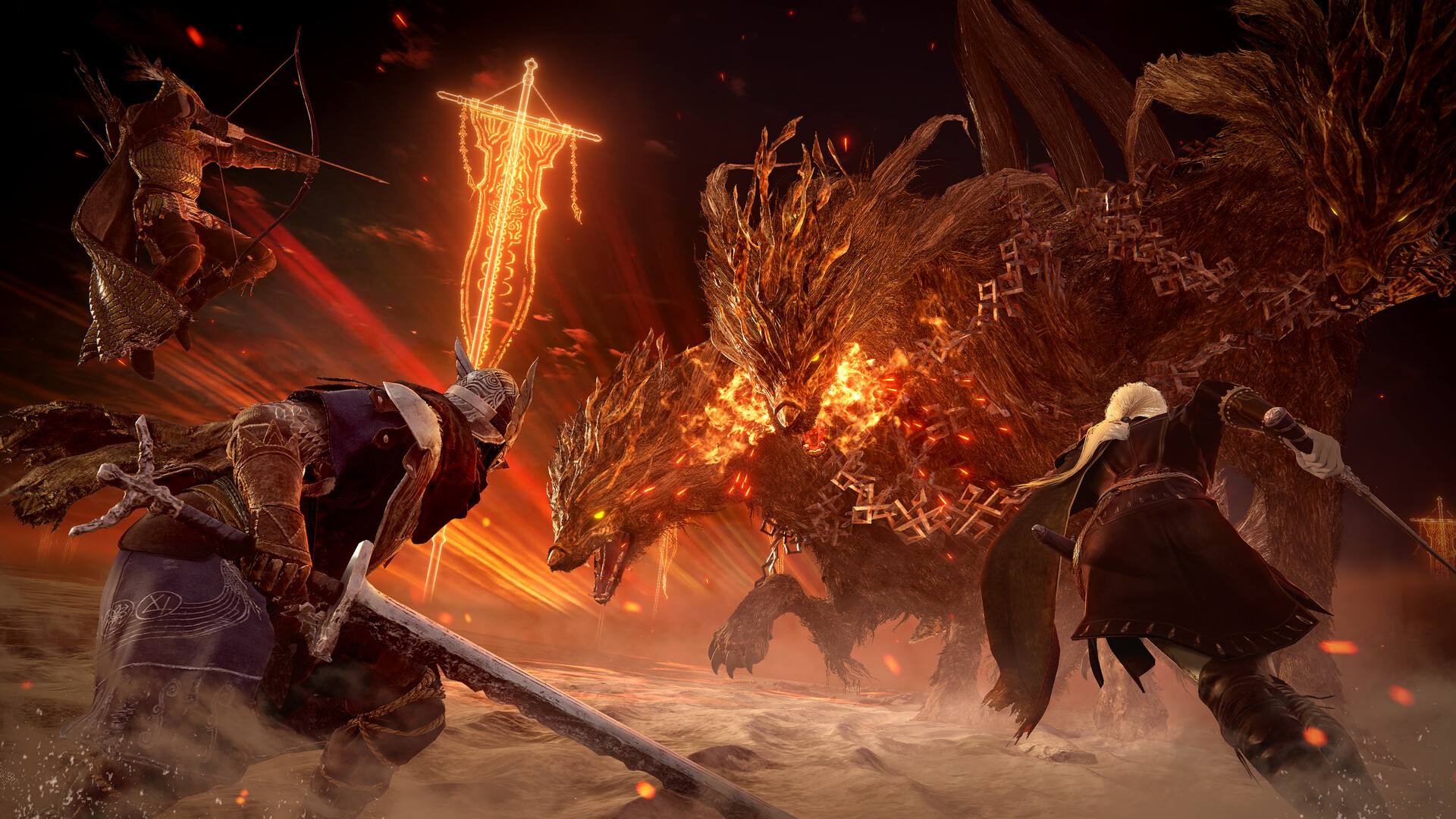
Limveld Zone Types Overview
| Zone Type | Key Contents | Priority | Rune Yield | Weapon Drops |
|---|---|---|---|---|
| Enemy Camp | Groups of enemies, loot chests, camp shrines | High | Medium (from kills) | Common — standard rarity weapons |
| Ruins | Rare item containers, unique equipment, special enemies | Medium-High | Low | High — rare and unique weapons often found here |
| Church / Chapel | Rune Arch, Sacred Flask top-up, altar loot | Very High | High (via Rune Arch) | Occasional — altar areas may contain weapons |
| Fort / Castle Fragment | Elite enemies, mini-boss, high-value chests | High | High (from mini-boss) | High — mini-bosses drop guaranteed weapons |
| Field Boss Arena | Single powerful field boss | Very High (Day 2) | Very High | Guaranteed high-rarity weapon |
| Spirit Spring | Geysers for airborne traversal; no combat | Low (traversal only) | None | None |
| Grace Site | Safe rest point; flask restock; map marking | Medium (utility) | None | None |
Enemy Camps — Bread and Butter Rune Source
Enemy camps are the most common zone type in Limveld and form the backbone of day phase rune farming. Each camp contains a group of 5–15 enemies of varying difficulty, loot chests with consumable items and occasional weapons, and often a mini-boss-class enemy guarding the camp's central structure. Clearing a full camp takes 2–4 minutes depending on enemy density and team power.
The camp mini-boss (typically a named elite enemy) drops 1,000–3,000 runes and guarantees at least one weapon drop. The weapon may be low rarity (gray/common) or occasionally a blue (magic) or gold (legendary) rarity item depending on the camp's tier and the current day. Day 2 camps drop significantly better weapons than Day 1 camps at identical camp locations, reflecting the Expedition's difficulty scaling over time.
Camp shrines — small altars within camps — sometimes contain crafting materials (Smithing Stones for weapon upgrades), Sacred Flask charges, or Golden Rune consumables. Always check camp shrines even if you have already cleared all the enemies — the materials inside are separate from enemy drops and are often overlooked by players rushing through camps.
Ruins — Rare Loot Density
Ruins are former structures scattered across Limveld that contain concentrated rare item spawns. Unlike camps where loot is primarily from enemy kills, ruins have dedicated loot containers — coffins, broken walls with loot inside, and hidden rooms — that spawn higher-quality items independent of combat. Ruins may contain special enemies guarding specific containers, but the enemies are not the primary reason to visit ruins.
The best weapon drops of a given Expedition often come from ruins rather than camp clears. A ruin may contain a legendary-rarity weapon locked behind a puzzle enemy or a sealed door that requires killing a mini-boss. These legendary weapons typically have higher base damage, unique special abilities (weapon arts equivalent to Elden Ring's Ashes of War), or superior scaling attributes that dramatically improve combat effectiveness through the Night phases.
Ruins are not marked distinctly from camps on the minimap in all cases. Learning to identify ruin architectural styles (crumbling stone, exposed foundations, absence of living enemies but presence of environmental hazards) during exploration develops an instinct for which map icons indicate high-quality loot locations versus standard camp clearing.
Field Boss Distribution — Day 1 vs Day 2
Field bosses spawn at fixed arena locations within the procedurally generated map. Each Expedition has multiple field boss locations, though not all are accessible in a single day phase given the 15-minute timer. Field bosses scale in difficulty and reward with the current day: Day 1 field bosses are manageable for even underleveled teams and drop Smithing Stones plus one weapon. Day 2 field bosses are significantly harder and drop the best weapons available during normal day phases, often legendary rarity.
Field boss locations tend to cluster by zone type: castle fragments and large ruins reliably host field bosses, while open plains occasionally spawn roaming field boss variants that move between areas. The minimap shows exclamation point markers when a field boss is nearby, providing navigation guidance without requiring foreknowledge of spawn locations. As a team develops familiarity with Limveld's structural layout, predicting field boss locations from the map configuration becomes intuitive.
Day Phase Routing Principles
- Day 1 routing priority: Church (rune arch) → nearest field boss → camp clearing → second church if time allows.
- Day 2 routing priority: Largest field boss (Day 2 versions drop best weapons) → ruins for rare loot → remaining camps.
- Day 3 routing priority: Grace site for flask restock → minimal camp clearing only if severely underleveled → direct path to Night Boss arena.
- Torrent (mounted traversal) dramatically reduces time between zones — use spirit springs whenever they align with your intended direction of travel.
- The three-player team should never all be at the same zone during the day phase unless fighting a field boss; split to cover more ground.
- Limveld's geographic center tends to have higher zone density — routing through the center on Day 2 maximizes encounters per minute walked.
Frequently asked questions
Does the Limveld map change every Expedition?
Yes. Limveld's zone layout is procedurally varied between Expeditions. Church locations shift, camp densities change, and field boss positions rotate. The general geographic feel of Limveld (certain terrain features, regional aesthetics) is consistent, but specific zone positions require fresh evaluation at the start of each Expedition.
How do I find churches quickly?
Churches appear as distinct architectural icons on the minimap — their spire shape and lighter color distinguish them from camp towers. At the start of each day phase, scan the minimap for church icons within a 90-second travel radius. Use Torrent to reach churches quickly from the initial spawn point.
Are ruins always worth visiting?
Day 1 ruins are lower priority than churches and field bosses unless they are adjacent to your route. Day 2 ruins are high priority because they contain the best non-field-boss weapon drops of the run. If you have already found a legendary weapon from a Day 1 field boss, Day 2 ruins are less critical — but they still contain upgrade materials worth collecting.
What is the best zone to start Day 1 exploration?
The nearest church from the spawn point is the optimal first destination, followed by the nearest field boss. If no church is nearby, prioritize the largest camp complex visible on the minimap. The first few minutes of Day 1 set the rune level trajectory for the entire Expedition.
Do enemies respawn in Limveld during a day phase?
No. Enemies in any given camp, ruin, or field boss location do not respawn within the same Expedition phase. Once cleared, a zone is permanently empty for that day phase. However, the same zone in Day 2 and Day 3 may have new enemy spawns at higher difficulty, as the Expedition's difficulty scaling refreshes enemy populations between days.
Sources & verification
Continue this guide path
- ›Elden Ring Nightreign Night Cycle Explained — Day Phase, Night Phase & EvacuationThe day/night cycle is the core tension mechanic of Elden Ring Nightreign. This guide explains exactly how the day phase exploration timer works, how the evacuation circle forces players toward Night Bosses, and what to expect in Night 1, Night 2, and the Day 3 Nightlord fight.
- ›Elden Ring Nightreign Resource Guide — What to Prioritize Each DayEach day phase in Nightreign has different resource priorities. Day 1 is about weapon upgrades and rune arches; Day 2 focuses on field bosses for power spikes; Day 3 is about flask stocking and reaching the Nightlord ready to win. This guide maps optimal resource priorities for every phase.
- ›Spirit Springs in Elden Ring Nightreign — How to Use Them for Fast TravelSpirit Springs launch Nightfarers skyward for rapid cross-map traversal in Limveld. Combined with Torrent (the spectral horse), they are the fastest movement tools in the game. Learn how to use them efficiently for day phase exploration and evacuation routing.