Elden Ring Nightreign Beginner's Guide — How Expeditions & the Night Cycle Work
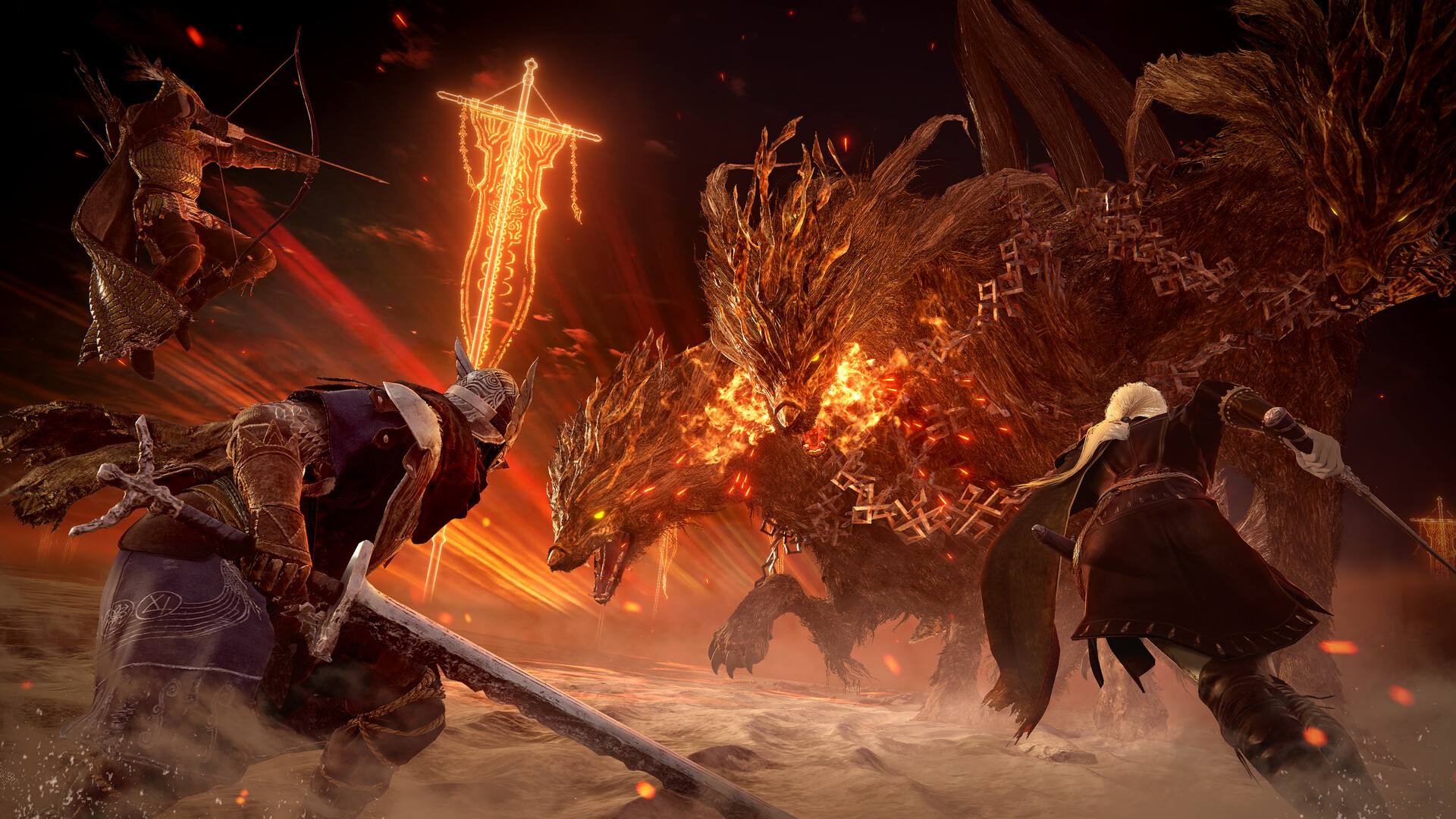
Expedition Structure Overview
| Phase | Duration | Objective | Key Activity |
|---|---|---|---|
| Day 1 | ~15 minutes | Explore Limveld; collect runes and gear | Find weapon upgrade, rune arch, field bosses |
| Night 1 | Until boss defeated | Defeat Night Boss 1 to continue run | Execute boss mechanics; survive |
| Day 2 | ~15 minutes | Continue exploration; power spike via field bosses | Target mid-power field bosses; upgrade weapons |
| Night 2 | Until boss defeated | Defeat Night Boss 2 (harder variant) | Co-op coordination critical |
| Day 3 | ~15 minutes | Reach minimum power level for Nightlord | Sacred flasks, final upgrades, rune level |
| Nightlord | Until defeated or run ends | Final boss; multi-phase | Full team coordination needed |
The Expedition Loop — Three Days and Three Nights
An Expedition in Elden Ring: Nightreign is a complete game session lasting three in-game days and three nights. Unlike traditional roguelikes where death means starting over, Nightreign allows the team to continue as long as enough Nightfarers are alive or revived when the Night Boss is defeated. If all three players die during a Night Boss fight without reviving each other, the Expedition fails and must be restarted from Day 1 with a fresh run.
Day phases last approximately 15 real-time minutes and are spent freely exploring Limveld — the game's dynamic, procedurally-varied map. During the day, you collect runes from enemies, find and upgrade weapons at field camps, defeat field bosses for power spikes, and restock Sacred Flask charges at churches and camps. The day timer is visible on screen and counts down aggressively; when it reaches zero, the evacuation circle begins closing.
Night phases begin with the Night Boss spawning at a designated arena. The evacuation circle forces all players toward the boss arena, preventing indefinite hiding in the safe zone. The Night Boss is a full FromSoftware-caliber boss fight with telegraphed attacks, multiple phases, and escalating difficulty compared to the previous night. Defeating the Night Boss restores all Sacred Flask charges and grants bonus runes for leveling.
Selecting Your Nightfarer
Before starting an Expedition, each player selects a Nightfarer — a pre-built character archetype with a fixed starting weapon, passive ability, and ultimate ability. Unlike Elden Ring's character creation system, Nightfarer selection is not customizable beyond the initial choice. Each Nightfarer has a specific role and playstyle that cannot be meaningfully altered during the run. Weapons found during the Expedition can replace the starting weapon, but the Nightfarer's ability kit remains fixed.
Nightfarer selection persists for the entire Expedition — you cannot change your Nightfarer mid-run if you dislike how it feels. Spend time in the practice mode (available from the main menu) to try each Nightfarer before committing to them in a full Expedition. The practice mode lets you test abilities and combat feel against dummy enemies without the pressure of the day timer.
In three-player co-op, different team compositions perform very differently. A team of three high-damage Nightfarers clears fast but may struggle with Night Boss survivability. A balanced team with one support-oriented Nightfarer provides consistent revive capability and healing that dramatically improves run completion rates for less experienced teams.
Day 1 Priority Checklist
- Find a weapon upgrade — any Smithing Stone or upgrade material improves your starting weapon's damage by 15–25%.
- Locate a Rune Arch — special items found in churches and ruins that grant a flat rune level boost.
- Kill at least one field boss — field bosses drop high-rarity weapons and provide large rune rewards.
- Restock Sacred Flask charges — churches and grace sites top up your flasks; start Night 1 fully stocked.
- Reach rune level 10–15 before Night 1 — lower levels result in significantly less HP and damage output against the Night Boss.
- Coordinate with teammates — identify who is playing tank, damage, or support before separating to cover different map areas.
Rune Collection and Leveling
Runes are Nightreign's in-run power currency. Enemies drop runes on death; rune arches provide instant level boosts; field bosses award large rune bonuses. Each rune level increases your Nightfarer's HP, damage output, and effectiveness of their abilities proportionally. The rune level gap between players and Night Bosses is the primary determinant of fight difficulty — underleveled characters take significantly more damage and deal significantly less.
Unlike Elden Ring's persistent progression, rune levels in Nightreign do not carry between Expeditions. Each new run starts at level 1. However, completed Expeditions may unlock account-level progression that improves Nightfarer starting stats or unlocks additional ability upgrades — these persistent improvements make repeated Expeditions with the same Nightfarer increasingly rewarding over time.
Frequently asked questions
Can I play Elden Ring Nightreign solo?
Yes. Nightreign supports solo play, though the game is balanced around 3-player co-op. Solo runs are significantly harder — Night Boss health and damage do not scale down proportionally to fewer players. Solo play is recommended only after you are comfortable with the Expedition format and know Night Boss patterns well.
What happens if a teammate dies in Nightreign?
Fallen Nightfarers enter a downed state and can be revived by remaining teammates who approach and hold the revival interaction. If left unrevived, the fallen player waits until the current enemy encounter is resolved or the area is cleared. During Night Boss fights, managing revives while avoiding boss attacks is one of the most critical co-op skills.
How is Nightreign different from Elden Ring?
Nightreign is a standalone roguelike spinoff, not an expansion. Key differences: pre-made Nightfarer characters instead of custom creation, a procedurally varied map instead of the full Lands Between, a 3-day run structure with Night Bosses, and multiplayer-focused design. The combat system and general feel are very similar to Elden Ring.
Do I need to own Elden Ring to play Nightreign?
No. Elden Ring: Nightreign is a standalone game that does not require ownership of the original Elden Ring. However, familiarity with Elden Ring's combat system (dodging, stamina management, weapon arts) is highly beneficial since Nightreign uses the same core mechanics.
What is the Nightlord?
The Nightlord is the final boss of each Expedition, appearing on Day 3. It is a unique multi-phase boss that is significantly more powerful than the Night Bosses from Night 1 and 2. The Nightlord varies between Expeditions, with different Nightlords featuring different attack patterns. Defeating the Nightlord completes the Expedition successfully.
Sources & verification
Continue this guide path
- ›Elden Ring Nightreign Nightfarer Classes Guide — Which to Choose?Nightreign's Nightfarer characters each have a fixed starting weapon, passive ability, and powerful ultimate. This guide covers every Nightfarer's role, abilities, and team synergies to help you pick the right character for solo or co-op Expeditions.
- ›Elden Ring Nightreign Night Cycle Explained — Day Phase, Night Phase & EvacuationThe day/night cycle is the core tension mechanic of Elden Ring Nightreign. This guide explains exactly how the day phase exploration timer works, how the evacuation circle forces players toward Night Bosses, and what to expect in Night 1, Night 2, and the Day 3 Nightlord fight.
- ›Elden Ring Nightreign Co-op Guide — 3-Player Strategies & Teamwork TipsElden Ring: Nightreign is designed around 3-player co-op. This guide covers team role assignment, revive mechanics, boss coordination strategies, day phase split routing, and communication tips for getting the most out of every Expedition with friends.
- ›Elden Ring Nightreign Rune Leveling — How to Level Up Fast Per ExpeditionRune levels are the primary power metric in each Nightreign Expedition. This guide covers every rune source in Limveld — field enemies, camps, mini-bosses, rune arches — and provides target level benchmarks for each Night Boss encounter.