Monster Hunter Wilds Beginner's Guide — First Hunt Tips & Core Systems
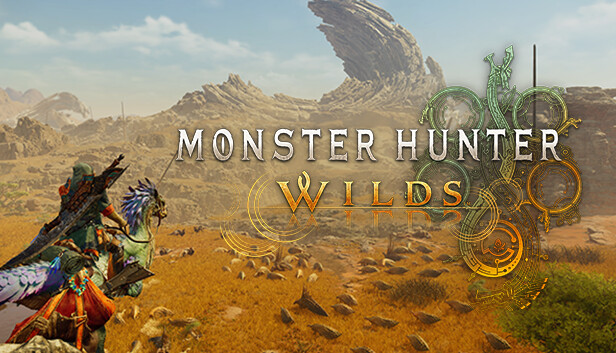
Beginner Quick Reference
| Topic | Key Info |
|---|---|
| Core Loop | Quest → Track → Hunt → Craft → Repeat |
| First Priority | Upgrade your weapon after every 1–2 hunts |
| Meal Buff | Eat at the Canteen or camp before every hunt |
| Healing | Craft Potions from Herb + Blue Mushroom; Mega Potion from Potion + Honey |
| Sharpening | Use Whetstone (infinite) to restore weapon sharpness mid-hunt |
| Monster Tracking | Follow Scout Fly glow; interact with footprints and monster traces |
| Capture vs Slay | Capture gives different (often better) item rewards |
| SOS Flare | Call for online help mid-hunt if a monster is too tough |
| Camp | Pop-up Camps let you resupply mid-hunt without abandoning the quest |
Understanding the Core Hunt Loop
Monster Hunter Wilds is built around a satisfying, escalating loop: you hunt monsters, collect their parts, craft better weapons and armor, then tackle harder monsters with your new gear. Unlike many RPGs, you never level up your hunter's stats directly — power comes entirely from the equipment you craft. This means every hunt has a clear material reward that feeds directly into your progression.
Hunts begin either by accepting a quest from the Quest Board or by heading out on a free-roam Expedition. Quests have a time limit (usually 50 minutes) and a fail condition (faint three times), while Expeditions are open-ended explorations with no time pressure but you cannot cart. During a hunt, your Scout Flies guide you to the target monster by building up scoutfly data from footprints, markings, and environmental clues. Once you find the monster, the fight begins in earnest.
When a monster is weakened — shown by limping and retreating to a den to sleep — you can either deliver the killing blow or set a trap and use Tranq Bombs to capture it alive. Capturing generally yields more materials per hunt than slaying. After the hunt ends, you return to Headquarters, collect your rewards, and head to the crafting menus to see what new gear you can build.
Hunter Rank & Quest Types
Your Hunter Rank (HR) gates access to more powerful monsters and better gear tiers. Low Rank (HR 1–15 approximately) covers the story campaign with standard monsters. Completing key story quests automatically advances your rank. High Rank unlocks after the main campaign, granting access to tougher monster variants that drop upgraded materials needed for the best armor sets.
Quest types include Village Quests (solo-focused, good for story), Hub Quests (designed for multiplayer scaling but soloable), and Optional Quests (sidequests that unlock extra content and rare materials). Expedition Tours let you explore regions freely, farm endemic life, and gather materials without a time limit — perfect for new players who want to learn a monster's patterns without pressure.
Event Quests rotate periodically and offer exclusive rewards, layered armor cosmetics, and rare decorations not obtainable elsewhere. Check the Event Quest board regularly, especially as a new player, since some events offer helpful early-game gear.
Essential Tips for Your First Hunts
- Always eat a meal at the Canteen before heading out — the Felyne skill buffs (attack up, defense up, item prolonger) last the entire hunt and are free.
- Bring at least 10 Potions and enough Herbs to craft more mid-hunt. Running out of healing is the top reason new players fail quests.
- Use your Whetstone every time you see the orange sparks indicating blunt weapon — a dull blade deals significantly less damage and bounces off monster hides.
- Study the Hunter's Notes in the menu for each monster you've fought; it shows elemental weaknesses and weak body part locations.
- Target the same body part repeatedly to create a Wound — a glowing crack on the monster — for 25% bonus damage from all attacks on that spot.
- Don't neglect armor upgrades. A fully upgraded set of the previous tier often beats a freshly crafted higher-tier set with zero upgrades.
- Use your Seikret mount to traverse terrain quickly and reach the monster without spending stamina on manual climbing.
- Pop-up Camps let you resupply mid-hunt. If you're running low on items, fast-travel to camp, restock from your Item Box, and rejoin the hunt.
- Flash Pods stagger flying monsters and ground them temporarily — carry them for especially mobile aerial monsters.
Choosing Your First Weapon
Monster Hunter Wilds features 14 weapon types, each with a completely different playstyle and skill ceiling. For absolute beginners, the Sword & Shield is the most forgiving — it allows you to use items without sheathing, has a simple moveset, and offers good mobility. The Great Sword is extremely powerful but requires you to master positioning for its charged attacks. The Long Sword is popular for its fluid combos and counter mechanic.
Experiment freely in the first few hours using the Training Area (accessible from camp) before committing to one weapon. Each weapon has its own upgrade tree, so switching late in the game means rebuilding your weapon progression from scratch. That said, the game is not punishing enough that you cannot swap — materials are reusable across weapon trees of the same type.
Range players can use the Bow or Bowguns for a fundamentally different experience: you stay mobile, attack from a distance, and manage coatings or ammo types. These weapons have a higher item management overhead but excel against monsters with hard-to-reach weak points.
Early Game Crafting Priorities
- Craft the highest attack weapon available to you immediately after each monster unlock — raw attack is king in Low Rank.
- Build a full armor set from the latest monster you hunted to maximize defense; mismatched sets leave gaps in protection.
- Upgrade armor at the Smithy using monster parts and ore — even +1 or +2 upgrades add meaningful defense.
- Stock your Item Pouch with: 10 Potions, 10 Antidotes, 1 Whetstone, Flashpods, Sonic Bombs (for Diablos-type burrowers), and at least one Trap.
- Learn the crafting tree early — Mega Potions (Potion + Honey) and Max Potions (Mega Potion + Mandragora) are your primary healing in later hunts.
Frequently asked questions
Do I need to play previous Monster Hunter games to understand Wilds?
No. Monster Hunter Wilds is a standalone entry with its own story and tutorial systems. The game explains all mechanics in-game. Veterans will recognize familiar systems, but new players start from zero and the game accommodates that completely.
How do I heal during combat?
Open your Item Pouch (D-pad or shortcut menu) and use a Potion or Mega Potion. Healing is not instant — your hunter plays a drinking animation, so move to a safe spot first. You can also use First Aid Med items which are faster to use. The Palico companion can also deploy healing items automatically.
What happens if I faint during a hunt?
You are returned to camp and lose one of your three allowed faints. Faint three times and the quest fails. You keep all materials gathered so far but lose the quest reward. In Expedition mode there is no faint limit, making it good for low-pressure practice.
How do I know when a monster is weak enough to capture?
The monster will begin limping noticeably and eventually retreat to its den to sleep. At this point it can be captured. Set a Pitfall Trap or Shock Trap in its path, let it walk in, then throw two Tranq Bombs to complete the capture.
Can I play Monster Hunter Wilds solo the entire way through?
Yes. The entire main story campaign and all optional quests are fully playable solo. Some late-game content such as Tempered Elder Dragon hunts is designed with multiplayer in mind but is still soloable with proper gear and skill.
What is the Wounds system?
Wounds are created by repeatedly attacking the same body part on a monster. After enough concentrated hits, a glowing crack (Wound) appears on that spot. Attacking a Wound deals roughly 25% bonus damage. You can also pop a Wound for a burst of additional damage and a brief monster stagger. Targeting Wounds is the core of advanced Monster Hunter Wilds combat.
Sources & verification
- Capcom Monster Hunter Wilds Official Site (2025)
- Monster Hunter Wilds in-game Hunter's Notes
- Monster Hunter Wilds Official Strategy Guide
Continue this guide path
- ›Monster Hunter Wilds Weapon Types Explained — All 14 Weapons OverviewA full overview of all 14 weapon types in Monster Hunter Wilds, sorted by complexity and playstyle. Find the right weapon for your skill level and goals.
- ›MH Wilds Armor Progression Guide — Low Rank to High Rank TransitionsKnowing which armor to build at each stage of Monster Hunter Wilds prevents wasted materials and keeps you properly defended through the story campaign and into High Rank. This guide covers the best armor sets at each progression milestone, when to upgrade vs. craft fresh, and skill priorities for early hunters.
- ›Monster Hunter Wilds Hunting Tips — Pro Strategies for Faster HuntsUpgrade your hunts with proven strategies for preparation, tracking, combat, and endgame optimization in Monster Hunter Wilds. These tips work for all skill levels and weapon types.
- ›Monster Hunter Wilds Monster Weakness Guide — Element & Hit Zone ReferenceA comprehensive reference for monster elemental weaknesses, hit zone star ratings, and the Wounds system in Monster Hunter Wilds. Know what weapon and element to use before every hunt.
- ›Monster Hunter Wilds Palico Guide — Best Gadgets & How to Support Your HuntComplete guide to your Palico in Monster Hunter Wilds — the best gadgets, how to level your Palico, gear upgrades, and which support abilities work best for solo vs multiplayer.